Man and van Clapham Old Town guide for narrow streets
If you are planning a move in Clapham Old Town, the streets can be charming and a bit awkward at the same time. Terraces sit close together, parking is tight, and a van that is perfectly fine on a wider road can suddenly feel like a very bad idea once you turn the corner. That is exactly why this Man and van Clapham Old Town guide for narrow streets matters: it helps you move smartly, avoid damage, and keep the day calm instead of chaotic. In practice, a good plan is what turns a stressful move into a manageable one.
Whether you are shifting a few heavy items, moving out of a flat, or coordinating a full household relocation, the same principle applies: narrow streets reward preparation. In the sections below, you will find a practical breakdown of how to approach the move, what to expect, where people usually go wrong, and how to choose the right moving support for the job.
Expert summary: In narrow parts of Clapham Old Town, the winning formula is simple: smaller vehicle, tighter timing, clearer loading access, and less guesswork on the day. Small details matter here. Quite a lot, actually.
- Use a van size that fits the street, not just the volume of your belongings.
- Check parking, turning space, and loading access before moving day.
- Pack and label items so the load-in stays quick and tidy.
- Build in a little flexibility for congestion, neighbours, and short walking distances.
Table of Contents
- Why this guide matters in Clapham Old Town
- How a man and van move works in narrow streets
- Key benefits and practical advantages
- Who this is for and when it makes sense
- Step-by-step guidance
- Expert tips for better results
- Common mistakes to avoid
- Tools, resources and recommendations
- Law, compliance, standards, and best practice
- Options, methods, and comparison table
- Case study or real-world example
- Practical checklist
- Conclusion
- Frequently asked questions
Why Man and van Clapham Old Town guide for narrow streets Matters
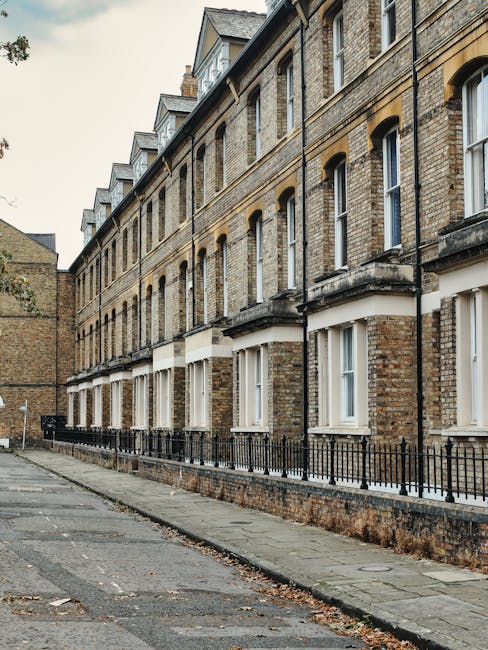
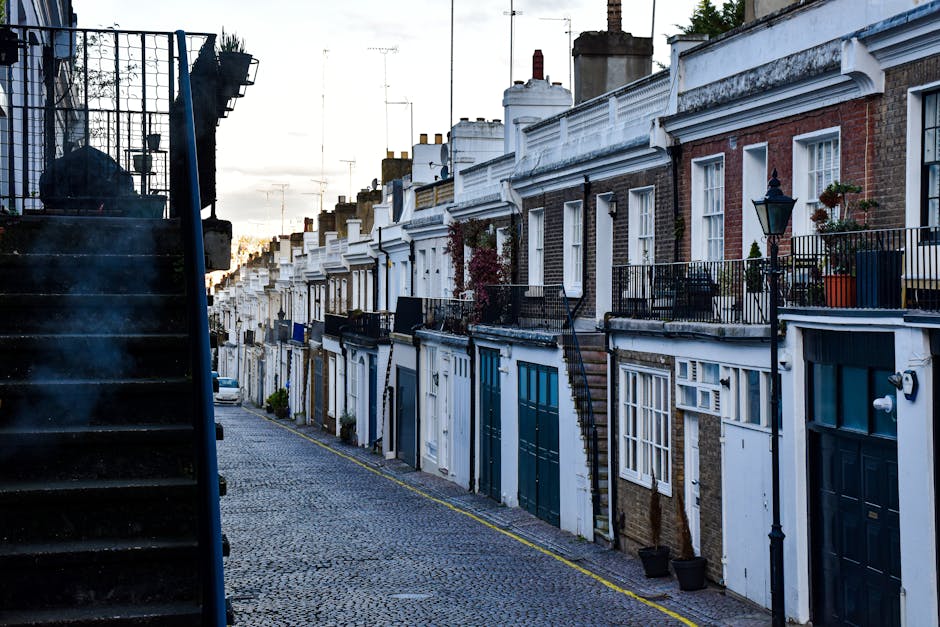
Clapham Old Town has a very specific moving personality. It is not the sort of place where you can assume a big vehicle will just breeze in, park up, and be done in twenty minutes. Narrow residential roads, parked cars, bays, controlled access points, and the occasional awkward corner can make even a modest move feel fiddly.
That is why a man and van service is often such a sensible fit. It is flexible, usually quicker to position than a larger lorry, and better suited to streets where space is at a premium. In plain English, you are not fighting the road as much. And let's face it, moving day already has enough to deal with without adding kerbside gymnastics.
The other big reason this topic matters is damage prevention. Tight streets increase the chance of scuffed walls, scratched furniture, blocked access, and frustrated neighbours. If you have ever tried to pivot a wardrobe around a narrow hallway while somebody else is trying to reverse behind you, you will know the mood can change fast. A thoughtful moving plan protects your belongings, your building, and your nerves.
For home moves, flat moves, or even mixed loads that include a sofa, a table, and half a small life's worth of boxes, the right approach is less about brute force and more about smart sequencing. If you want a broader look at the service itself, you can compare options through the site's man and van service, or explore the wider removal services offering if your move is a little more involved.
How Man and van Clapham Old Town guide for narrow streets Works
The core idea is straightforward. A man and van move uses a smaller, more manoeuvrable vehicle and a practical loading approach to keep the move efficient in places where space is limited. In a narrow-street setting, the driver and mover usually focus on three things: access, timing, and load order.
Access means understanding where the van can stop without causing a blockage or making life difficult for everyone else. Timing means choosing a window when the road is less busy, because standing still in the wrong place can become a headache. Load order means placing the most needed items at the front or last, depending on how the drop-off will happen. Simple idea, but very useful.
In a real move, this might look like the van parking a short walk away from the front door, with boxes and lighter items carried first, then larger furniture brought through once the route is clear. If the property is up a flight of stairs or has a tight entrance, the team may need to work in stages rather than trying to rush everything at once.
It also helps to understand the difference between a typical man with a van arrangement and a larger moving truck hire. A bigger truck can be brilliant for volume, but on narrow streets it may create more access pressure than it solves. For loads that need more capacity but still require careful handling, the site's moving truck and removal van pages may help you judge what suits your move best.
Key Benefits and Practical Advantages
There are a few reasons people choose a man and van for Clapham Old Town rather than a larger removals setup. The first is access. Smaller vehicles are easier to position on narrow roads, and that alone can save time and reduce stress.
The second is flexibility. You do not always need an oversized vehicle for a two-room flat, a student move, or a few bulky items. A smaller, well-planned load often makes more sense. There is less wasted space, less awkward manoeuvring, and usually a cleaner handoff at both ends.
The third is cost control. While pricing varies, a simpler move can often be more economical than booking a full-scale removal operation. If you want to weigh up options carefully, the site's pricing and quotes information is a sensible place to start. Not glamorous, but useful. Very useful.
The fourth is speed. In narrow streets, speed is not about rushing; it is about avoiding unnecessary delays. A compact van can often get in and out more cleanly than a larger vehicle, which means fewer awkward conversations with traffic, neighbours, or the occasional impatient driver behind you.
Finally, there is peace of mind. When a mover knows how to work in tight spaces, the whole day feels more under control. You can focus on the actual move, not on whether the van will fit round the corner. That part matters more than people expect.
Who This Is For and When It Makes Sense
This guide is especially helpful if you are moving in or out of a flat, townhouse, or smaller property in Clapham Old Town where road access is not ideal. It also suits people who are moving a limited number of items and do not need a full household removals team.
Typical situations include:
- Flat moves with stairs, limited parking, or a small loading area
- Student relocations where timing and budget both matter
- Single-item or furniture moves, such as beds, desks, or wardrobes
- Short-notice relocations that need a fast, practical response
- Small office or studio moves where bulky equipment still needs careful handling
If you are moving a full family home, you may still use a smaller vehicle as part of a staged plan, but it is worth comparing it with a more complete home moves or house removals option. For flats with awkward access or shared entrances, the flat removals service may be a better fit. Easy answer? Not always. But it depends on your load, not just your postcode.
It also makes sense for people who simply want to keep the move low-drama. You know the type: one sofa, twelve boxes, a mirror that makes everybody nervous, and a deadline that arrived too fast. In those moments, a well-managed man and van can be exactly the right tool.
Step-by-Step Guidance
Here is a practical way to handle a move in narrow streets without getting overwhelmed.
- Measure the important bits. Check large furniture, stair widths, doorway clearance, and anything that might snag on the way out. A tape measure is boring until it saves you from a very awkward wobble.
- Look at the street access. Notice where the van could safely stop, whether the road allows waiting, and how far the carry distance will be. A short carry is fine. A long one is fine too, if you plan for it.
- Book the right size vehicle. Small can be clever. Bigger is not automatically better in a tight Clapham street.
- Pack for speed and safety. Use sturdy boxes, label fragile items, and keep essentials separate. The site's packing and boxes page and packing and unpacking services can help if you want support with the fiddly parts.
- Prepare a clear loading path. Remove small obstacles, keep hallway space open, and make sure keys, lifts, and access codes are ready.
- Load in a sensible order. Put heavier or sturdier items in first, then stack lighter boxes carefully. Fragile items should not be wedged under something with a bad attitude.
- Keep the handover simple. At the new property, show the mover where each room is going to be used. Even one minute of direction can save ten minutes of carrying things back and forth.
One thing people sometimes forget is the final five minutes. That is when lost keys, missing screws, and "Where did I put the kettle?" moments happen. Keep a small essentials bag with chargers, ID, medication, water, and snacks. Not fancy. Just sensible.
Expert Tips for Better Results
In our experience, narrow-street moves go better when the planning is a bit overdone rather than a bit underdone. Sounds obvious, but you would be surprised how often people assume it will all work itself out.
Tip 1: Choose a quieter window. Mid-morning on a weekday is often calmer than school-run time or late afternoon, though the exact timing depends on the street. The goal is to reduce vehicle and pedestrian pressure where possible.
Tip 2: Keep the biggest items first. If a sofa or mattress is awkward, get it out before the smaller items start cluttering hallways. It is a tiny thing, but it changes the rhythm of the move.
Tip 3: Protect corners and surfaces. Hallway corners, banisters, and door frames often take the first knock. Blankets, wraps, and a steady pair of hands matter more than people think.
Tip 4: Confirm the service level. Some jobs need basic transport only. Others benefit from a fuller removal services approach. If the move includes assembly, storage, or multiple stops, say so early. No one likes surprises at 8:00 in the morning.
Tip 5: Have a backup for overflow. If there is any chance you will not fit everything in one go, look at storage as a pressure valve. A short pause in storage can be the difference between a rushed day and a manageable one.
And one more, slightly boring but vital: confirm the mover is comfortable with narrow access. Not all routes are equal, and not every larger vehicle is suited to a tight street. That is not a criticism, just reality.
Common Mistakes to Avoid
Most problems in Clapham Old Town are not dramatic disasters. They are small errors that stack up. A van that is too large. A sofa that was never measured. A loading bay that was assumed, not checked. You get the picture.
- Assuming street access is fine. It may look okay at 10 a.m., then suddenly become awkward at 2 p.m. because everyone else had the same idea.
- Booking based only on volume. Cubic space matters, but road fit matters too.
- Leaving packing until the last minute. That tends to create weak boxes and slower loading.
- Ignoring shared access rules. Flats, managed buildings, and converted properties can have restrictions you need to respect.
- Forgetting heavier items need a clear route. If the move includes furniture, the site's furniture removals page may be more appropriate than a generic transport-only booking.
- Not mentioning special items. Pianos, mirrors, art, and fragile furniture all need advance notice. A piano is not the sort of item you casually "just squeeze in".
There is also a common mindset mistake: people think narrow streets mean the move will be slow no matter what, so they stop trying to plan. Truth be told, the better the preparation, the less the street gets to dictate the day. You can absolutely influence the outcome.
Tools, Resources and Recommendations
You do not need a warehouse of equipment to move well. A few well-chosen tools are enough.
- Sturdy boxes: better than overfilled soft bags for stackable loads.
- Bubble wrap or paper padding: useful for glass, lamps, and fragile decor.
- Furniture covers or blankets: helpful for protecting corners and polished surfaces.
- Labels and marker pens: the simplest way to keep rooms organised.
- Tape, scissors, and a small toolkit: always useful, and always missing when you need them most.
- Charged phone: for access calls, timing updates, and the inevitable "I'm outside but not quite outside" moment.
When comparing service types, think about what you actually need on the day, not what sounds impressive on a website. For instance, a light one-bedroom move might work well with a removal van, while a larger or more structured move may suit removals or even specialist support like office removals or student removals depending on the situation.
If you are moving bulky household pieces, the site's furniture removals and furniture pick up pages are also worth a look. They are useful when you are shifting items that are too awkward for a standard car boot but do not quite require a full house move.
Law, Compliance, Standards, or Best Practice
For a local move like this, the main compliance issues are usually practical rather than complicated. You want safe loading, sensible vehicle positioning, and respectful behaviour in shared streets and buildings. In the UK, movers are expected to operate with appropriate care around property, pedestrians, and road users, and that standard is especially important in narrow residential areas.
Best practice usually includes:
- Using a vehicle appropriate for the street and load
- Protecting furniture and building surfaces during handling
- Checking access arrangements before arrival where possible
- Being clear about the move scope, including stairs, special items, and waiting time
- Working in line with sensible health and safety practices
If you want reassurance about how a mover approaches safety and handling, the site's health and safety policy and insurance and safety pages are useful references. They do not make the move magically easy, of course, but they do show the kind of standards you should expect.
It is also wise to understand the terms of service before booking. The terms and conditions page is there for that reason. And if payment handling matters to you, the payment and security information can help set expectations. Nothing flashy. Just the kind of clarity that keeps a move calm.
Options, Methods, and Comparison Table
Not every move in Clapham Old Town should be treated the same way. Some jobs suit a compact man and van arrangement. Others need a fuller service, more manpower, or short-term storage. Here is a simple comparison to help you think it through.
| Option | Best for | Strengths | Trade-offs |
|---|---|---|---|
| Man and van | Small to medium moves, limited street access | Flexible, manoeuvrable, usually efficient in narrow roads | Less capacity than a larger removals setup |
| Removal van | Flat moves and awkward access with moderate load volume | Good balance of space and practicality | Still needs careful parking and loading planning |
| Moving truck | Larger homes or bulky multi-item moves | More capacity, fewer trips | Can be harder to position in narrow streets |
| Full removals service | Whole-home or more complex relocations | More support, better for large or layered jobs | May be more than you need for a lighter move |
| Storage first, move later | Staged moves or uncertain handover dates | Reduces pressure and creates flexibility | Requires extra coordination |
There is no universal winner here. A smart decision depends on access, volume, timing, and how much heavy lifting you want to manage. If the move is commercial, the commercial moves and office relocation services pages may be more suitable. If you are only moving a single heavy item, a more targeted approach often makes more sense.
Case Study or Real-World Example
Here is a realistic example from the sort of move people often face in Clapham Old Town.
A couple moving from a top-floor flat had a mix of boxes, a bed frame, a desk, two chairs, and a sofa that had looked smaller in the shop than it did in the hallway. The street outside was narrow, with parked cars on both sides and not much turning room. A larger vehicle would have made loading harder and probably slowed the whole operation down.
Instead, the move was planned as a compact man and van job. The van stopped at a sensible point nearby, the heaviest items were carried out first, and fragile pieces were wrapped before they left the flat. Because the boxes were already labelled by room, unloading at the destination was smoother than expected. Not effortless. But smooth enough that nobody felt the day was running them.
The key difference was preparation. They had measured the sofa, cleared the hallway, and kept a separate bag for keys, kettle bits, and paperwork. A tiny detail, but one that saved a lot of backtracking.
What stands out in moves like this is not that everything is perfect. It never is. It is that the small decisions add up, and in a place with narrow streets, those decisions matter even more.
Practical Checklist
Use this checklist before moving day. It is simple, but it covers the things that usually trip people up.
- Measure large furniture and doorways
- Confirm access routes and parking options
- Choose a vehicle size suited to narrow streets
- Pack fragile items securely
- Label boxes by room and priority
- Keep essentials separate
- Tell the mover about stairs, lifts, or tight corners
- Check whether storage might be useful
- Keep contact details and access codes handy
- Allow for a little extra time, just in case
If your move is complex, you may also want to review the site's about us page to understand the service approach and how the company presents itself, or check recycling and sustainability if you are getting rid of unwanted items responsibly. Small things, yes. But they do help shape a better move.
Conclusion
A move in Clapham Old Town does not have to feel like a puzzle you were never meant to solve. With narrow streets, the trick is to work with the area rather than against it. Choose the right vehicle, keep the loading plan simple, and think about access before the first box is lifted. That is where the real difference is made.
The best man and van Clapham Old Town guide for narrow streets is not about overcomplicating things. It is about noticing the small details that make the day easier: the corner that looks tight, the box that should be labelled, the item that needs extra wrapping, the parking spot that might save ten minutes. Get those bits right and the move becomes much more manageable.
If you are still weighing up your options, start with the kind of move you actually need and build from there. A little planning now saves a great deal of hassle later, and honestly, that is worth a lot.
Get a free quote today and see how much you can save.
Frequently Asked Questions
Is a man and van suitable for narrow streets in Clapham Old Town?
Yes, in many cases it is one of the best choices. A smaller vehicle is usually easier to position on tight roads and can reduce the risk of access problems. It is especially useful for flat moves, light house moves, and furniture transport.
How do I know what size van I need?
Start by listing your largest items and measuring them. Then think about how much boxed volume you have and whether the street allows easy loading. If in doubt, it is better to discuss access and load size early rather than guess and hope for the best.
What makes Clapham Old Town tricky for removals?
The main challenge is the combination of narrow residential roads, parking pressure, and limited turning space. That can make larger vehicles less convenient, which is why access planning matters so much.
Should I book a man and van or a full removals service?
It depends on the size and complexity of the move. A man and van works well for lighter or more compact jobs. A fuller removal services approach may be better if you have a large property, several heavy items, or more complicated access.
Can a man and van help with furniture only?
Absolutely. Many people use this kind of service for sofas, beds, wardrobes, desks, or one-off bulky items. If that is your main need, the furniture removals and furniture pick up pages are especially relevant.
What should I tell the mover before moving day?
Share the street access details, parking limitations, floor level, lift access, and any awkward furniture or fragile items. The more accurate the information, the smoother the move tends to be. No one enjoys surprise stairs.
Do I need to pack everything myself?
Not necessarily. Some people prefer full control, while others want help with packing and unpacking. If you want support, the site's packing and unpacking services can be a useful option.
Is storage helpful if my dates do not line up?
Yes, storage can be very helpful when moving dates overlap or access is delayed. It gives you breathing room and prevents rushed decisions. A short storage period is often easier than trying to force everything into one day.
How far in advance should I book?
As early as you can, especially if you are moving at a busy time or need a specific time window. That said, shorter-notice moves are sometimes possible too, particularly if the job is small and flexible.
What are the most common mistakes people make in narrow-street moves?
The biggest mistakes are choosing the wrong vehicle size, failing to check access, underestimating packing time, and not mentioning awkward items in advance. Most of these are avoidable with a bit of planning.
Can this kind of service handle same-day moves?
Sometimes, yes. It depends on availability, the size of the move, and the access conditions. If you are in a hurry, the same day removals page is worth looking at.
What if I am moving from a flat with stairs?
Stairs are common and not usually a problem on their own, but they do affect timing and effort. A well-organised flat move can still go smoothly, especially if you clear the route and pack carefully. For more specific support, see flat removals.
Where can I learn more about the company and its standards?
You can review the company's about us, insurance and safety, and health and safety policy pages to get a clearer sense of approach and expectations.
If you are planning your move soon, take a breath, measure the awkward bits, and make the narrow-street plan before the boxes start piling up. That little bit of foresight can change the whole day.